
Violence against women and girls is a worldwide problem. The Netherlands is working with other countries to combat it. But the Netherlands also needs to do better at home, for example by stepping up its efforts to prevent femicide.
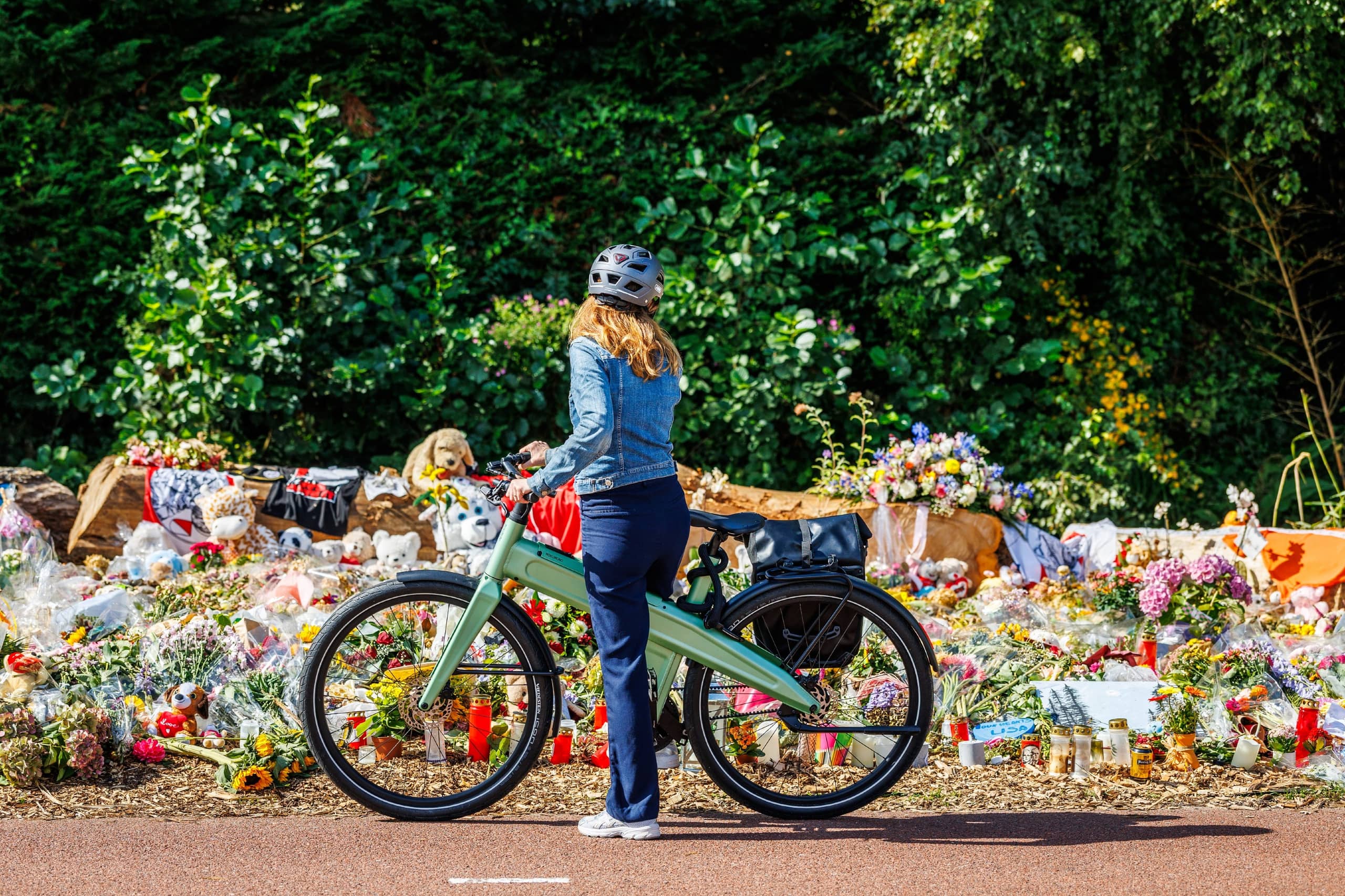
Image: © ANP
A 17-year-old girl named Lisa was murdered near Amsterdam in the night of 19 to 20 August 2025 as she cycled home. Near the path where she was murdered people are commemorating her with flowers.
According to the United Nations, one in three women worldwide experience rape or sexual harassment at some point in their life. But these are not the only forms of violence against women.
Femicide, for example, is the collective term for the intentional killing of women because of their gender. In the Netherlands – a country actively committed to combating violence against women and girls – a woman is murdered every eight days, nearly always by their partner. Violence against women is a challenge confronting us worldwide.
25 November is the International Day for the Elimination of Violence against Women and Girls. This date also marks the start of Orange the World (UNiTE), the UN’s annual campaign to end gender-based violence. The campaign runs to 10 December, Human Rights Day. This year’s theme is digital violence against women.
In 2023, 85,000 women were murdered worldwide because of their gender.
Digital violence against women
‘Digital technologies present opportunities for new forms of violence against women,’ says Nils Mollema, senior policy officer for women’s rights and gender equality at the Dutch Ministry of Foreign Affairs. ‘This includes for example online harassment and stalking and using AI to make deepfake videos.’
It’s difficult to say whether violence against women is increasing, but it certainly isn’t decreasing. In 2023, 85,000 women were murdered worldwide because of their gender. The coming five years, the Netherlands has allocated €115 million for projects to prevent violence against women.
Violence against women in conflict situations is most certainly increasing – currently in Sudan for example, but also in Ukraine and Gaza. Records show a 25% increase between 2023 and 2024 . Women and girls are affected disproportionately by conflict.
‘Conflict-related sexual violence has long been a widely used weapon of war in order to destabilize societies,’ says Louise van Gend, senior policy officer for women, peace and security at the Dutch Ministry of Foreign Affairs. ‘Not only has it been used against women and girls, but women and girls are disproportionately affected - 92% of victims are women.’
Istanbul Convention
The Netherlands is committed to the Istanbul Convention. This Council of Europe Convention was adopted in 2011, and came into force in 2014. Its aim is to prevent violence against women, support victims and bring the offenders to justice.
‘Africa and South America have similar agreements,’ says Nils Mollema. ‘They provide a clear basis, enabling us to engage in conversations with other countries and with local organisations on very practical matters, for instance on better mental and physical care for the women who are victims of violence.’
‘The Netherlands is also committed to improving access to legal assistance. And in Kenya we’re supporting awareness-raising campaigns aimed at men and boys. The idea is get men to talk about issues like toxic masculinity and the meaning of consent in sexual relations.’
The Netherlands also supports efforts to prosecute perpetrators and support survivors of conflict-related sexual violence. Here too, the solutions are often very practical, says Louise van Gend. ‘In Ukraine, the Netherlands supports the Ukrainian Women’s Fund, the biggest women’s fund in Ukraine. They work at local level to find out what a community very specifically needs to ensure social safety, and support local initiatives. And they work both with and for groups that are normally excluded – like women veterans, widows, displaced persons and the families of the men at the front. They also look more widely at safety and security, taking account of social factors.’
‘Many women are struggling with extra responsibilities and pressure because their husbands are at the front,’ says Ms Van Gend. ‘Like care tasks, and the need to support their families.’
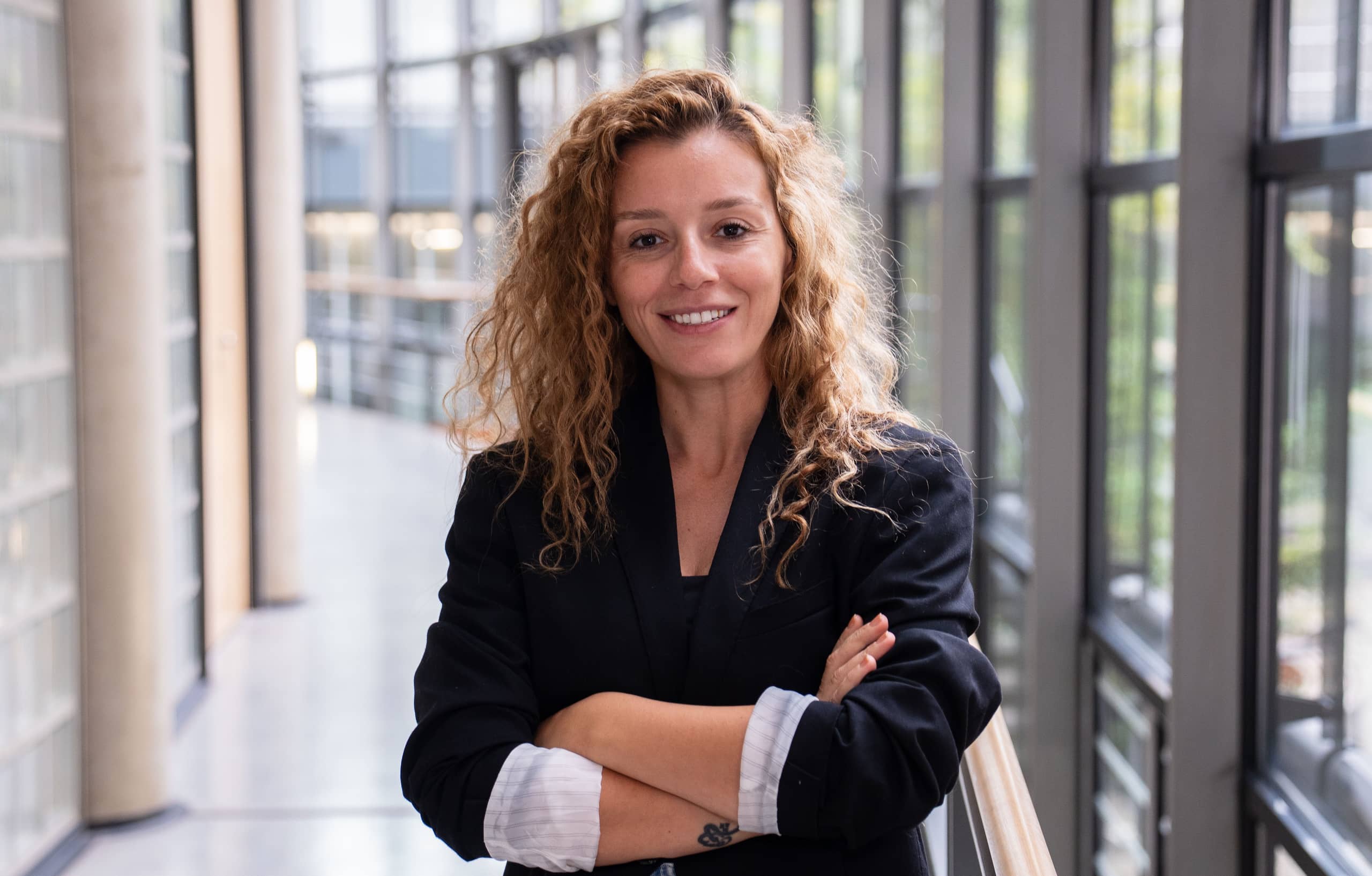
Image: © ministerie van Buitenlandse Zaken
Haneen Bitar of Jordan visited the Hague this year to participate in the Women Leadership Programme.
Change through joint initiatives
The Netherlands is also working in other countries to strengthen the position of women leaders in their communities, for example through the Women Leadership Programme (WLP). The WLP focuses on supporting women leaders in the Arab region. The programmes are crucial, says Haneen Bitar of Jordan, one of the participants.
‘Real change to end violence against women starts with joint initiatives,’ she tells us. ‘Like meetings where women share their experiences and feel that they are heard, seen and supported. That’s where you need civil society organisations – local, national and international, large and small – and every actor in the civic space.’
Haneen works as a senior advisor for the International Center for Not-For-Profit Law (ICNL), an organisation committed to ensuring access to legal services for vulnerable people.
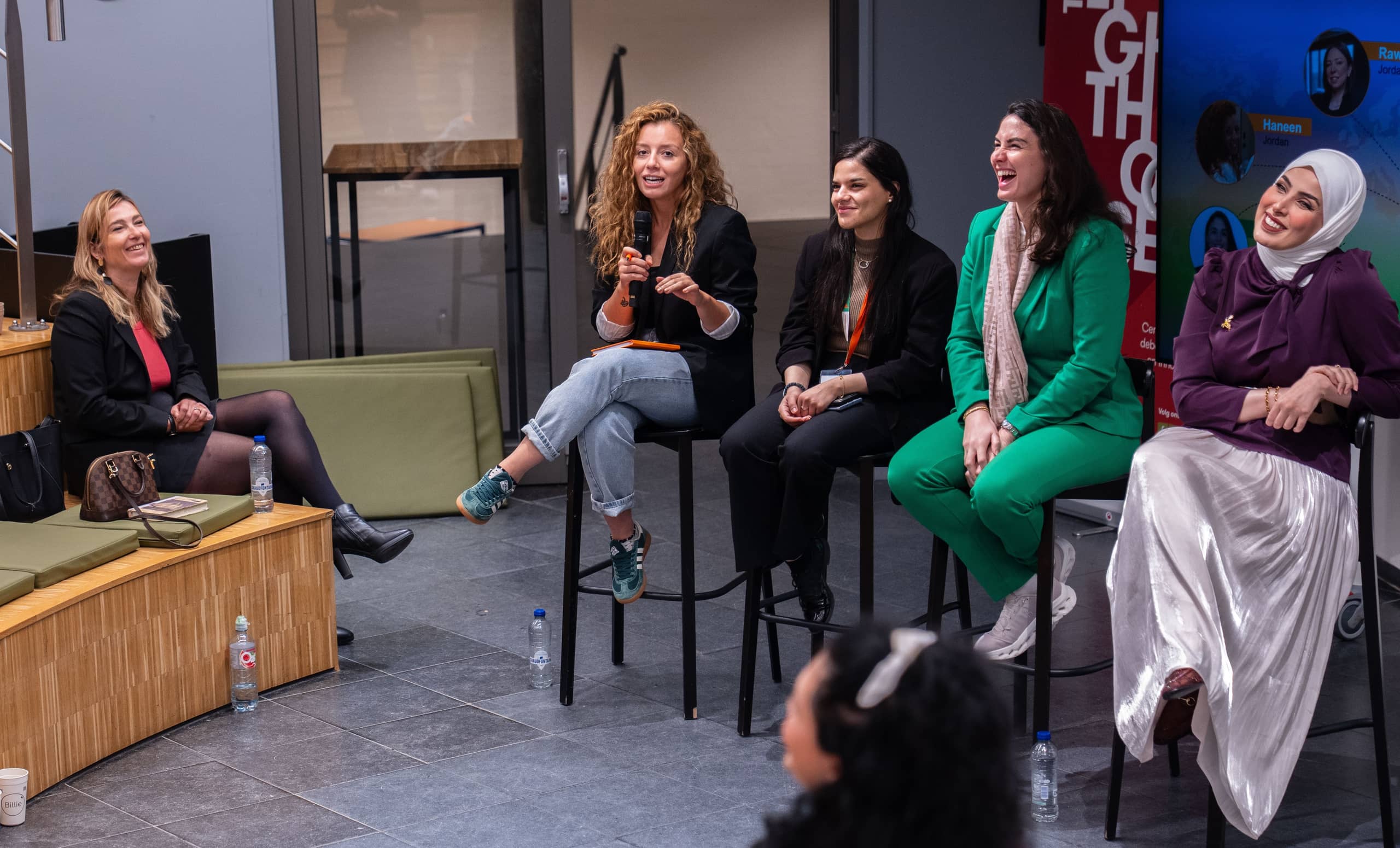
Image: © ministerie van Buitenlandse Zaken
Participants of the Women Leadership Programme in The Hague this year.
Gender-based violence is a serious worldwide problem that needs to be tackled at the root, says Haneen. Countries need to work together on this. ‘Leaders in local communities have an extremely important role to play,’ she points out.
‘They don’t need to be superheroes with special training or qualifications. They are women of all ages with a clear aim and the ability to reach out to others: team players who are able to get everyone involved and come up with new ideas. They have the ability to inspire and encourage others and play a positive role within their communities. They make people see and feel that they are not alone.’
Image: © ANP
Violence against women and girls in the Netherlands
Violence against women has also been a prominent issue in the Netherlands this year. A 17-year-old girl named Lisa was murdered near Amsterdam in the night of 19 to 20 August as she cycled home. The poorly lit cycle path where she was attacked had been an unsafe place for women for years. This led to a public debate followed by a campaign on the protection of women and girls (Wij Eisen De Nacht Op / Take Back the Night).
The Netherlands can improve its approach to tackling violence against women and can learn from other countries. The country was ranked 43rd in the 2025 Global Gender Gap Index, down from 28th place in 2024. ‘That’s a good starting point for international conversations,’ says Nils Mollema. ‘Because it helps if you’re on an equal footing. We haven’t come to tell others what to do, but to explore how we can move forward, together.’
Specially designated prosecutors
For Nils Mollema and Louise van Gend, Mexico is an inspiring example. ‘19 of Mexico’s 32 states have special public prosecution services exclusively tasked with investigating femicide and offences against women,’ says Mollema. ‘States that don’t have specially designated prosecutors seldom have sufficient understanding of femicide as a category of criminal offence. Prosecutors with an extensive knowledge of femicide as a specific offence are better and more successful at prosecuting offenders.’
It’s also very important for the Netherlands to support projects abroad and collaborate in bilateral and multilateral initiatives on this issue. ‘We can only tackle violence against women worldwide by working together,’ concludes Louise van Gend.