
The United Nations is celebrating its 80th anniversary this year, but the organisation is under more pressure than ever. In a world that is changing rapidly, the question arises how future-proof the UN still is. Lise Gregoire-van Haaren, the Permanent Representative of the Kingdom of the Netherlands to the UN in New York, understands the criticism. At the same time, she sees the UN as the only place where 193 countries come together. ‘We cannot solve the major problems of the world on our own.’
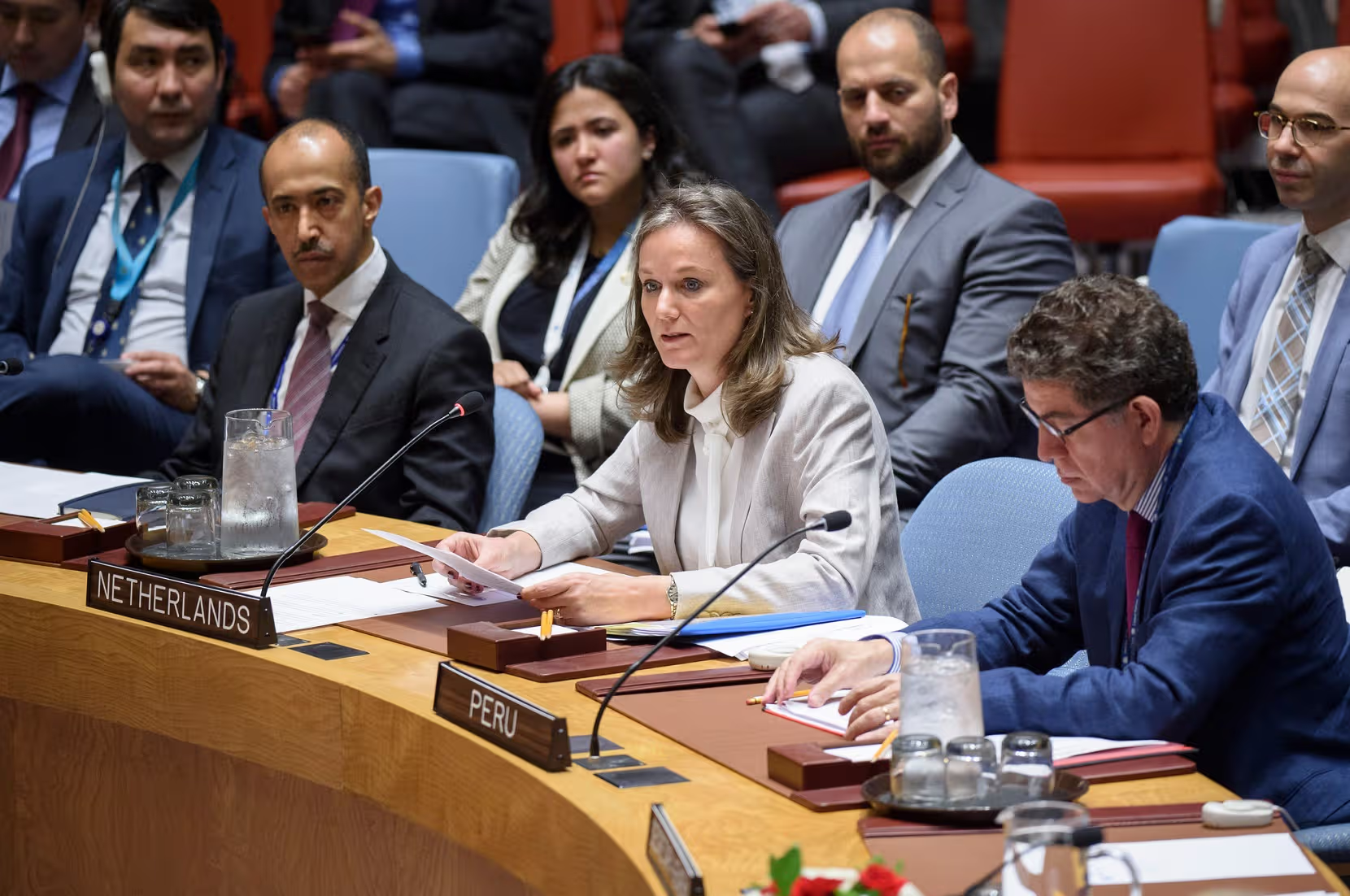
Image: © UN Photo
Lise Gregoire-van Haaren addresses the UN Security Council on the protection of civilians in armed conflict. In 2018, the Kingdom of the Netherlands was an elected member of the Security Council and Lise served as the Deputy Permanent Representative.
What made you decide to apply for this job, representing the Kingdom of the Netherlands at the UN?
‘The thing that attracted me was the power of international cooperation. Of course, you can achieve a lot on your own, but you can get much more done together. This is more important than ever before. Today’s problems, such as climate change and security, are so complex that they can only be addressed through cooperation. The UN is unique, because it brings together 193 countries, to make agreements on solving international problems. It can be difficult, but if we can reach agreements on something, that’s a big step forward.’
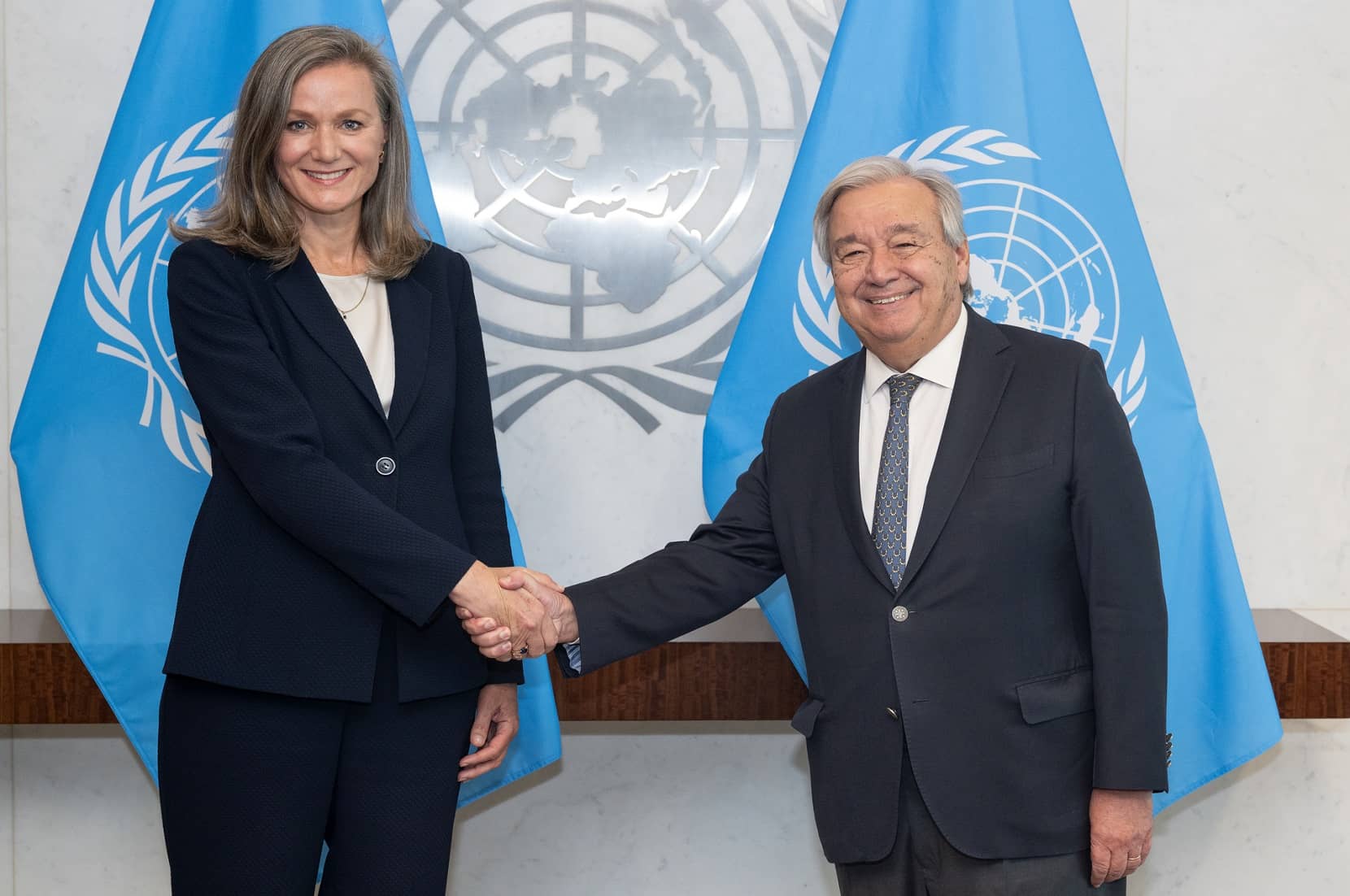
Image: © UN Photo
Lise Gregoire-van Haaren presents her credentials to UN Secretary-General António Guterres.
Is there a particular aspect of the job that appeals to you the most?
‘Yes, there are a number of things that are important to me. Given my experience in the Security Council, security-related issues are high on my agenda. The UN also plays a key role in development and humanitarian aid. It has a presence in parts of the world that other parties may have a hard time gaining access to. Human rights is the issue I’m most passionate about. Our rights are under pressure around the world, and I believe we must continue to fight for the freedoms we hold dear.
Besides the Netherlands, I also represent the other countries of the Kingdom: Aruba, Curaçao and St Maarten. This means that I work to keep issues like climate change and sea level rise – which affect these parts of the Kingdom directly – on the UN agenda. These wide-ranging responsibilities make my job interesting.’
'We believe it’s important not only to make international agreements but also to abide by them.'
What is the Kingdom of the Netherlands known for within the UN?
‘We’re known for our commitment to international law, in part because the Netherlands is the host country of the International Court of Justice and the International Criminal Court. We believe it’s important not only to make international agreements but also to abide by them. That’s a big part of our work here.
We not only vote on resolutions; we’re also active in the negotiations that lead up to them. During that process, we try to ensure that the texts in question reflect the rights and standards that are important to us. One of the forums in which we do this is the LGBTI Core Group, where we work with other countries to strengthen the rights of LGBTI people in UN documents.’
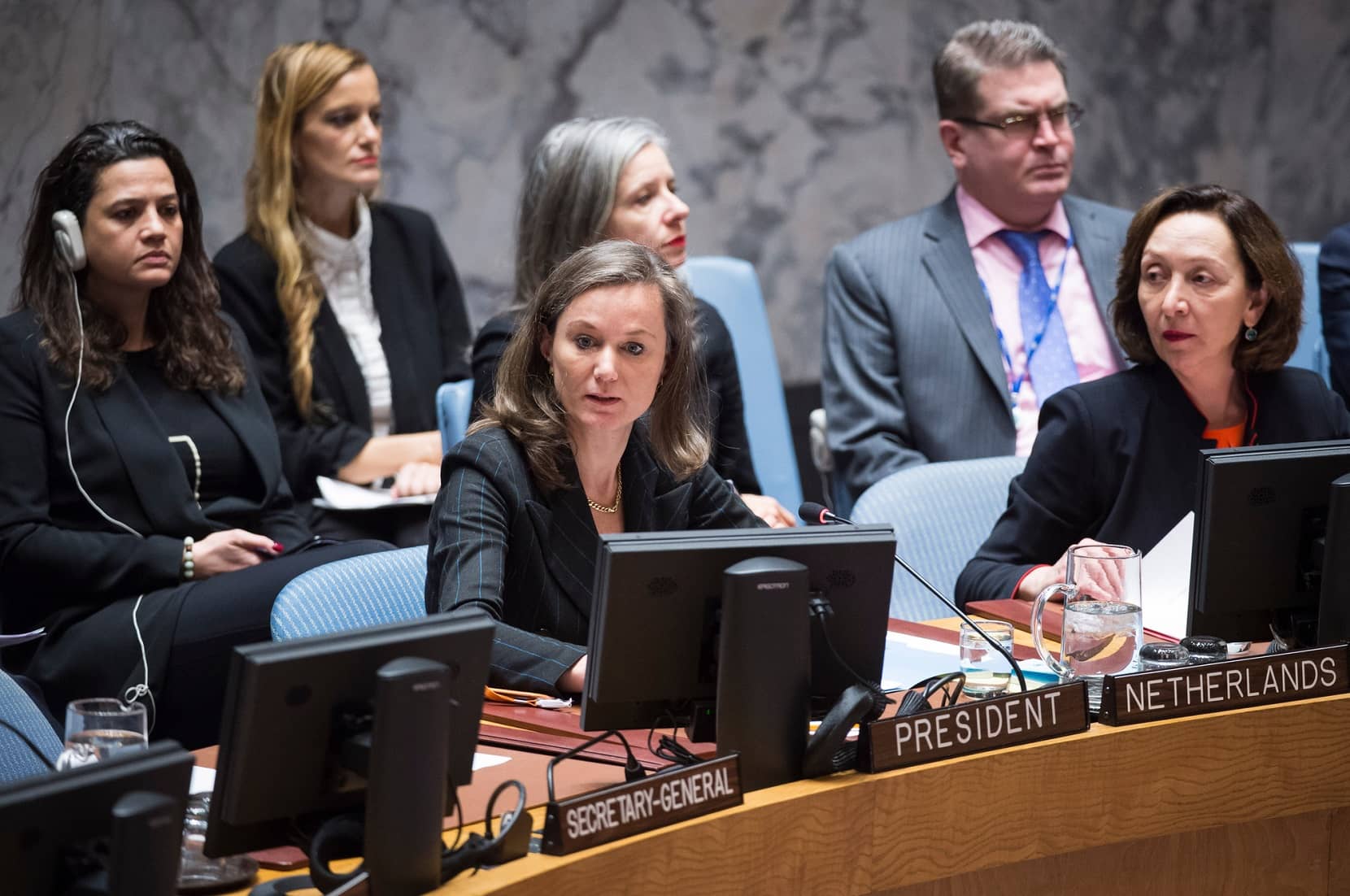
Image: © UN Photo
Lise Gregoire-van Haaren chairs the Security Council meeting in March 2018, during the Kingdom of the Netherlands' presidency.
How do you decide how the Kingdom of the Netherlands votes on a given resolution?
‘There’s a well-established procedure for that. We take our instructions from The Hague. Voting instructions are prepared in the Netherlands and approved by the minister, and then it’s down to the team in New York to actually cast the vote. What we do from here is supply The Hague with information about the state of relations between the various countries. Sometimes a vote can also have an impact on other issues, and that’s something we try to convey as well. The Ministry of Foreign Affairs then makes a political assessment on the basis of that information. In the end we’re the ones who cast the vote, but nothing is done without approval from the Netherlands.’
'The system only works if countries are willing to work together and honour the agreements they’ve made.'
The UN also gets its share of criticism, especially with regard to its inability to resolve major conflicts.
‘I understand that criticism. The UN is sometimes seen as a failure when peace missions have to be shut down or when countries decide to bypass the UN. The UN is a partnership, but it can’t force countries to cooperate. The system only works if countries are willing to work together and honour the agreements they’ve made. What worries me is that more and more countries are choosing to go their own way. The UN needs to continue to adapt to the new reality. The membership of the Security Council, for example, is still based on how the world looked at the end of the Second World War. This needs to change.’
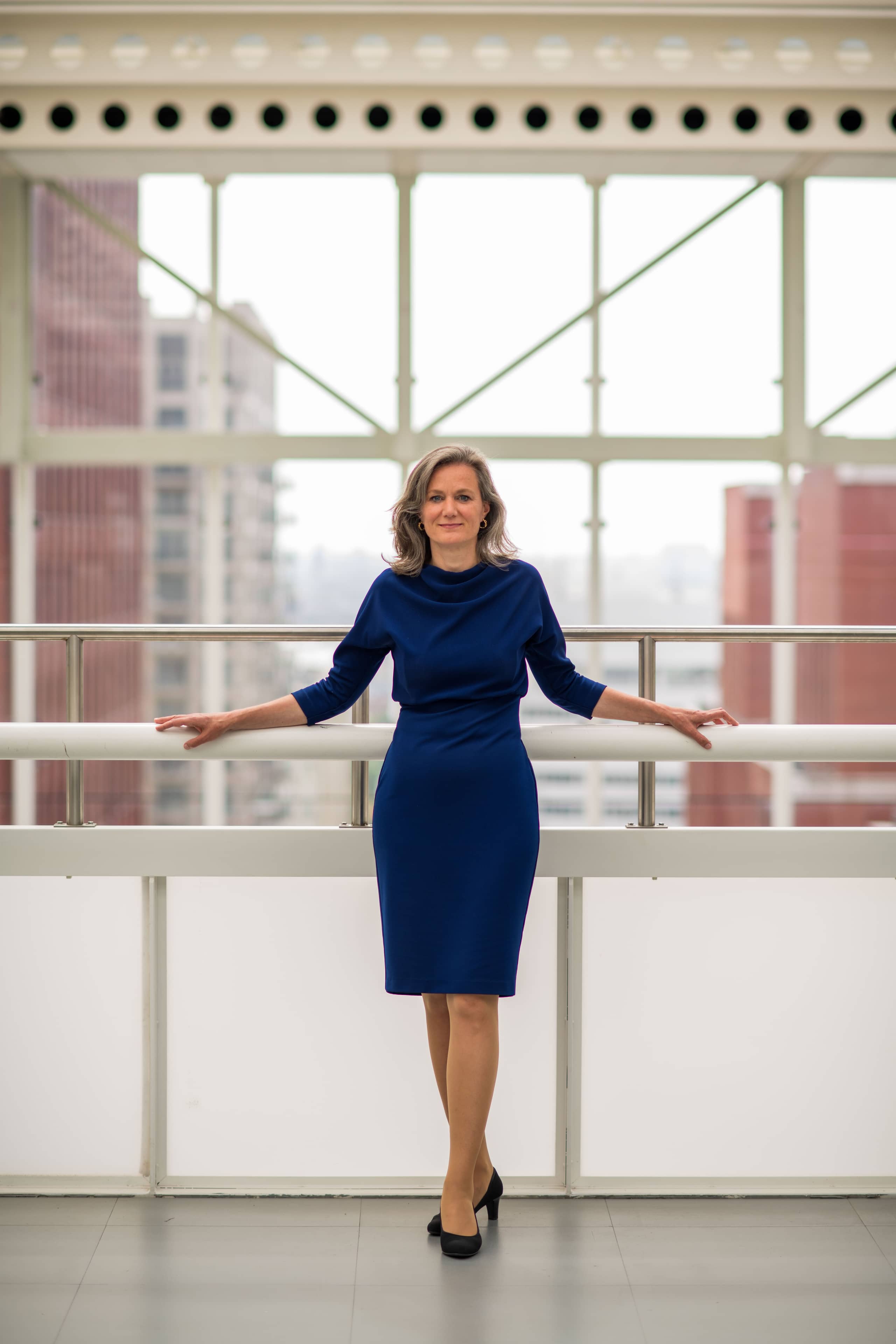
Lise has worked in various positions at the Dutch Ministry of Foreign Affairs for 25 years.
How do you see the future of the UN?
‘The UN is 80 years old and faces major challenges. Multilateral cooperation has never been easy, but it remains essential for peace, security, justice and development. At the same time, crises are piling up, and the UN is weakened by countries that block decisions or fail to pay. This increases the power of strong states and undermines the rights of smaller ones.
Yet the UN remains indispensable. Many countries recognise that multilateralism is in their interest. The organisation does, however, need to adapt to the demands of our time. Through the UN80 initiative, the UN is working on reforms, greater efficiency and a review of its mandates. If successful, the UN can continue to build joint solutions for the next 80 years.’
What do you hope to have achieved by the end of your posting?
‘I hope the UN remains an important place for solving international problems. Whether we’re talking about peace, security, climate change or freedom, the UN must stay relevant. I also want the Kingdom of the Netherlands to keep fighting for a safer and more just world in which everyone can be themselves, not only for the current generation, but for those who come after us.
And I must say that I’m super proud of my team here. They’re so enthusiastic and professional. Everyone works really hard, often in difficult circumstances, and they’re all motivated by the conviction that they can contribute to a better world.’