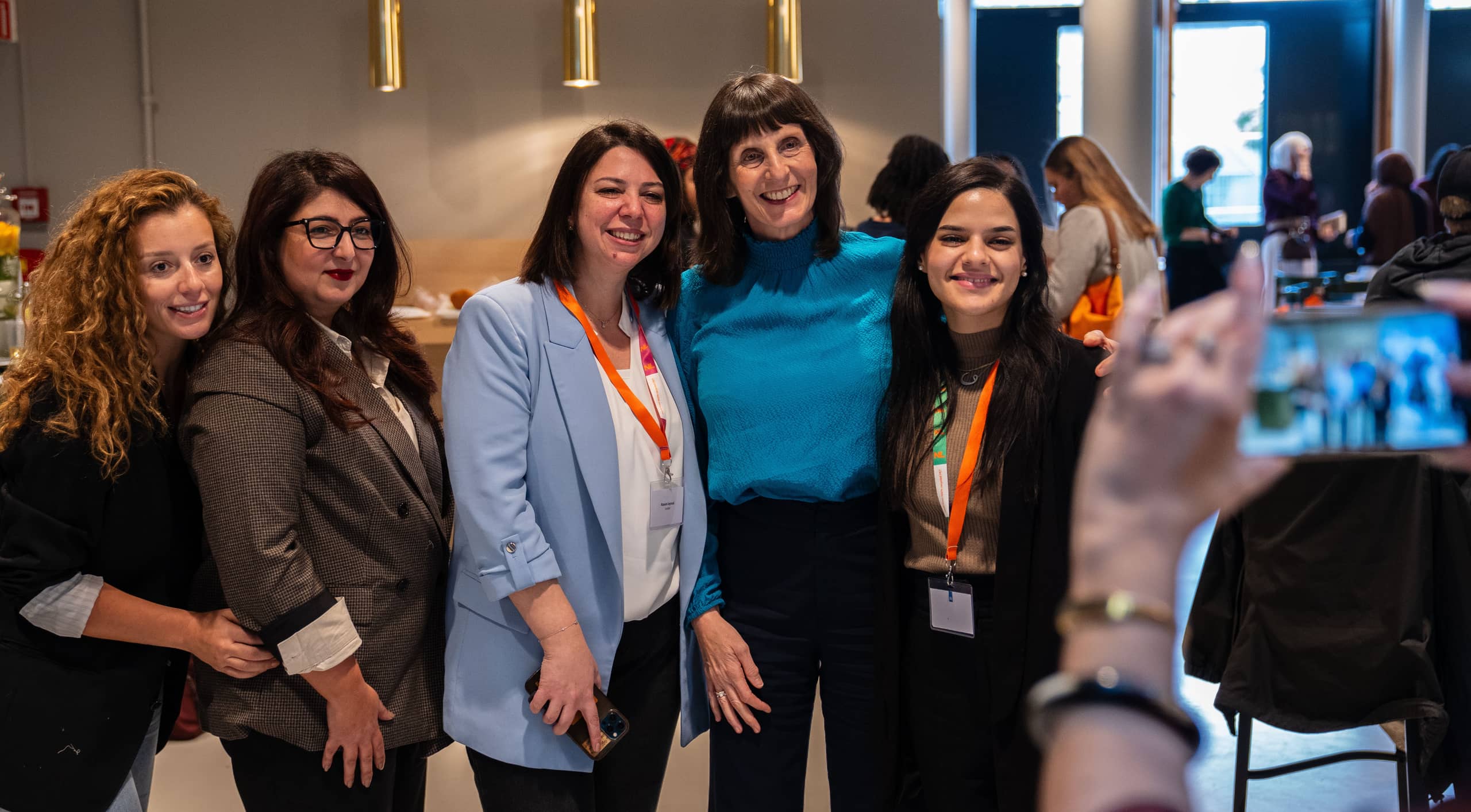
Women play a crucial role in preventing and resolving conflict. Yet they are often not involved in negotiations and decision-making processes, even though half the world’s population are women and their voices are just as important as men’s. In terms of what is needed to achieve peace, they bring different issues to the table than men do. Besides this, women and girls are hit harder by conflicts. For that reason, exactly 25 years ago, on 31 October 2000, member states of the United Nations agreed that women must play an active and meaningful role in matters concerning conflict and peace negotiations.
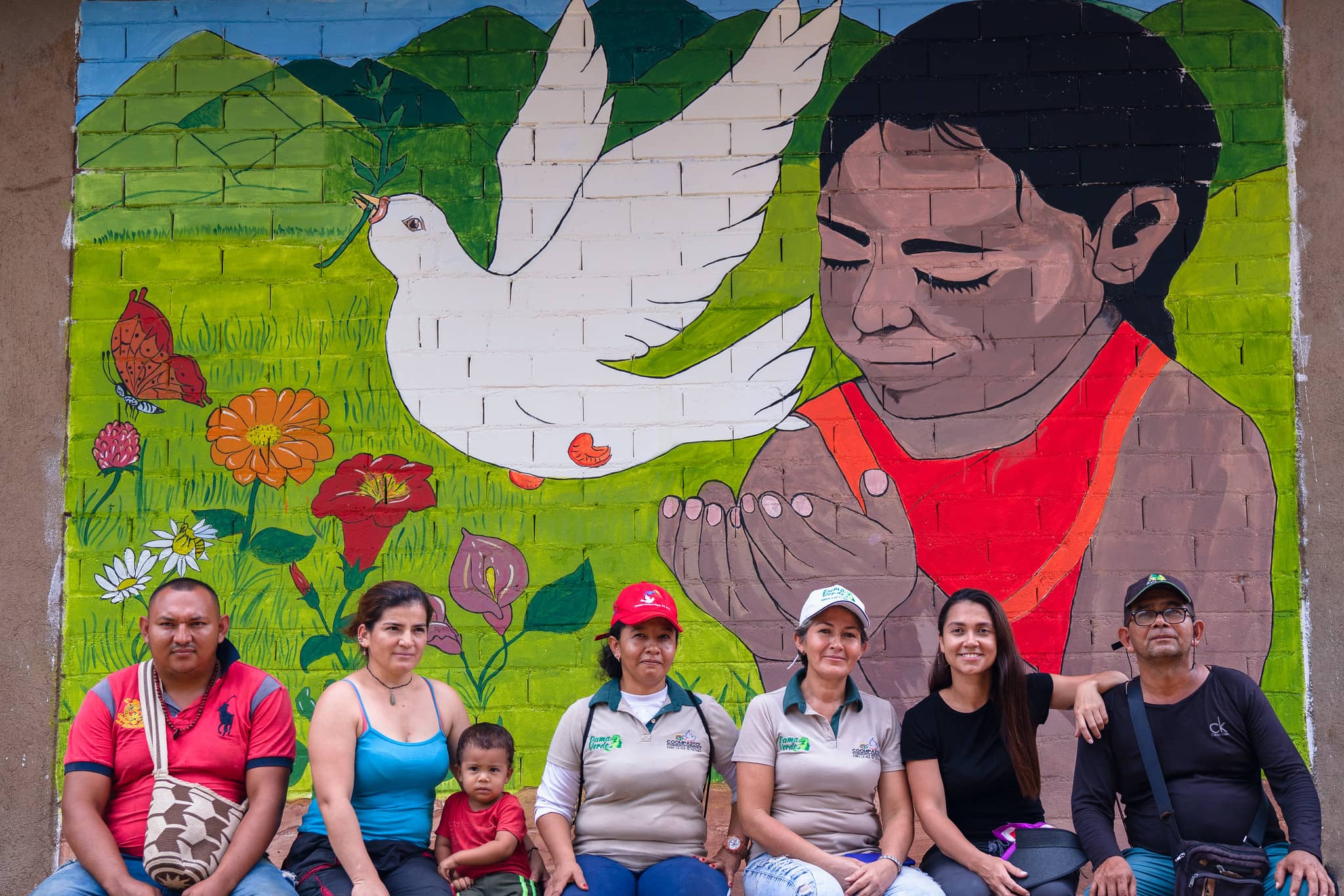
Image: © UN Women/Pedro Pio
UN Women project in Colombia.
A world led by men
‘It’s about time,’ says Rawan Jayousi, a Jordanian journalist and media expert with a PhD in political science. ‘For far too long, women have been left out of consultations and decision-making. And you only have to look at the current state of the world led by men – it says enough.’
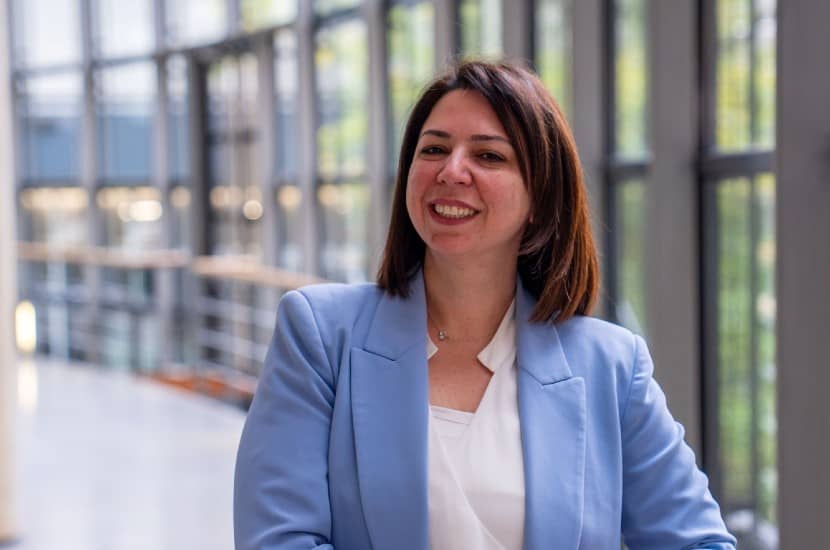
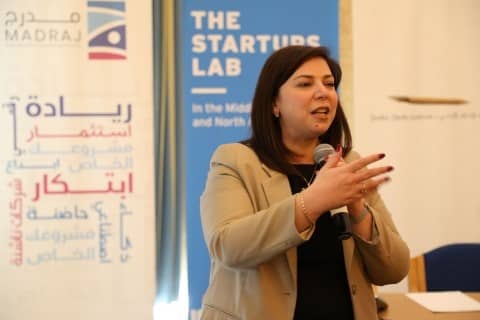
A few years ago Rawan set up an organisation called MADRAJ (which means ‘runway’), which mentors and trains young women leading independent digital media startups in Arab countries. It’s clear to her that women need to be much more involved before, during and after conflicts. ‘The numbers show time and time again that the active involvement of women has a positive influence on peacebuilding and results in a more stable society.’
UN wants bigger role for women in peace and securityExactly 25 years ago the United Nations recognised that women’s role in peace and security processes needed to be strengthened. On 31 October 2000 the organisation adopted a resolution stating that women must participate equally and fully in peace negotiations and be better protected against violence before, during and after conflict situations. The resolution is known as Resolution 1325 on ‘Women, Peace and Security’. The Netherlands endorsed this resolution and has since developed various National Action Plans (NAPs) on this issue. The government and civil society are currently implementing the fourth NAP, which contains agreements on how to put the resolution into practice. |
Women focus on the safety of children and the community
Why is that? ‘The simple fact is that women give top priority to the safety of their children, family and community. That means they are more inclined to de-escalate, to consult with different parties and to build bridges – including in conflict situations. They are creative, have their own networks and operate in a pragmatic way, with the aim of creating a safe environment for their children,’ Rawan explains. She speaks from experience: over the years she has worked with many women in conflict areas.
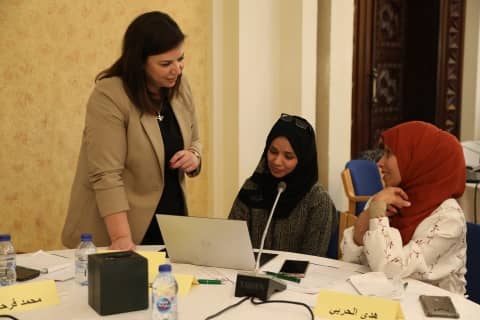
‘For instance, I’ve given politically active women in Yemen training on how to use media in negotiations. I’ve also worked with women who were making active efforts in their community to be properly involved in negotiations and who engaged in dialogue with other parties to the conflict. And I’ve seen women activists at various levels working to get their voices heard and advocating peace.’ She lists Sudan and the Palestinian Territories as examples.
Providing hope makes all the difference
‘It is difficult to measure exactly how much of a difference these women have made, but countries where men and women are more equal are usually more stable and safe. In the end it’s never just one man or one woman who brings peace,’ Rawan says. ‘The outcomes of peace negotiations are a mosaic, a puzzle consisting of many different pieces. So we can never identify a single specific achievement, or attribute it to one person. But we can look at the effect on people and their surroundings. By being actively engaged, these women provide hope to their communities, even in war zones.’
Rawan has trained many women journalists in the region, particularly in Jordan, as well as a number of women entrepreneurs running digital media startups. ‘We want to see a better balance in the male-dominated media landscape. I’m convinced we have made a real contribution. On the basis of the training they’ve adapted their strategies and business models, and this has enabled at least 16 startups to achieve further growth. There are a great many women in the Arab world working to achieve equal rights and a level playing field.’
Women’s status prior to conflict is decisive
In Rawan’s view, whether or not women in conflict areas can play a positive role depends greatly on what rights and development opportunities they had before the conflict began. ‘If there are no strong women to begin with, how can they sit at the negotiating table? If they haven’t had opportunities or an education, how can they devise strategies and make decisions in a time of war?’
But the problem is bigger than this. ‘If you don’t have equal rights in peacetime, which means you are already a victim, then you will also be a victim in wartime. A woman who has had no education and who has no financial resources often has no other option than to flee, and perhaps seek asylum elsewhere.’
For women to be able to play an active role in preventing and resolving conflicts, it is essential that they have the same rights and development opportunities as men. ‘It’s much more logical for a woman to take up such a role if she’s had an education, and is already involved in the political system, government or a university, or is active in an aid organisation.’
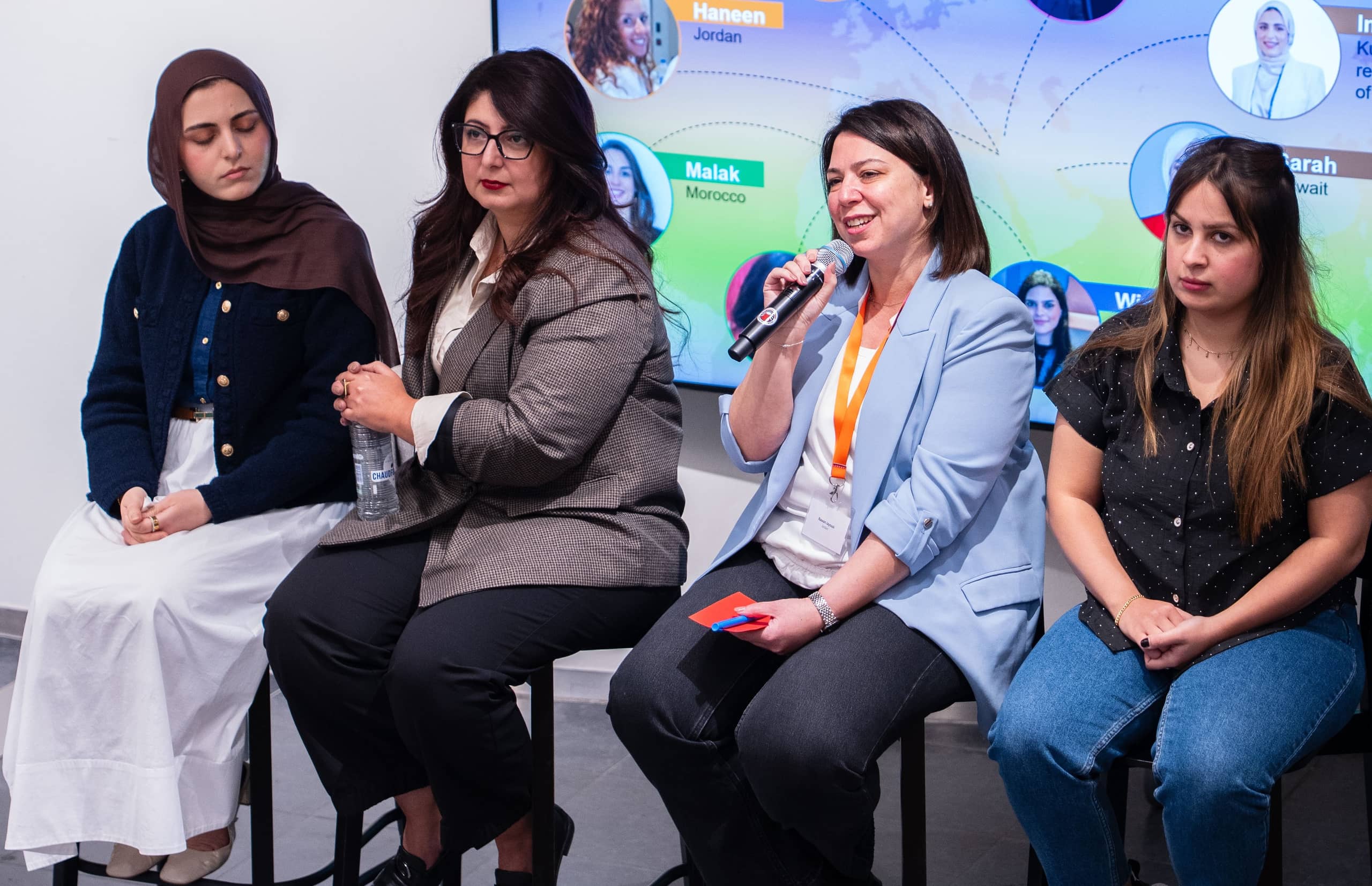
Rawan is a participant in the Women Leadership Programme, an initiative of the Dutch Ministry of Foreign Affairs and the Netherlands Enterprise Agency (RVO). The programme supports women leaders from the Middle East and North Africa region in increasing the visibility of their businesses and initiatives, so that they can invest, grow and continue to develop both in the Netherlands and elsewhere in the world.
Huge challenges
As a supporter of UN Resolution 1325 (see text box), the Netherlands wants to help shape a world in which the equal and meaningful participation of women and girls in decision-making on peace and security is the norm. What is Rawan’s view on the importance of international cooperation? ‘I believe in universalism, and that we must always work together. We live in an era of increasing extremism, polarisation, disinformation and hatemongering, among other problems. All very dangerous trends.
‘For decades, cooperation focused on shared values. But today it’s economic priorities that determine and shape international relations. There’s less attention being paid to human rights, including women’s rights. With less funding available around the world for international cooperation and aid organisations, key consultative structures and initiatives for peace and security are eroding. Journalists and activists are being locked up.’
More international cooperation
What’s the answer? ‘First of all, it’s essential that we ensure the safety of people who speak out even when doing so puts them in mortal danger. And I think it’s extremely important to continue investing in things like capacity building and women’s rights, and to keep building bridges on foundations of shared values such as freedom of expression and equal rights.
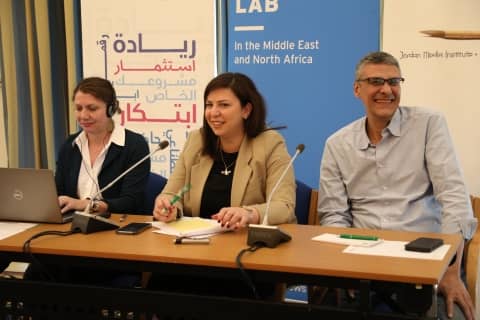
‘MADRAJ provides training for women politicians, journalists and influencers from across the Arab world. We want them to understand and embrace their role in peacebuilding, and to be aware of their exemplary role and how their work can influence entire communities. Influencers in particular have an enormous impact on younger generations.’
Rawan is very clear on this: ‘In today’s world, we urgently need more cooperation, more time, more attention for each other. So that people – but especially women – don’t give up, but continue to hope.’