
The climate goals have been agreed and it’s now time to take action. This week thousands of people will meet during COP31 in Türkiye. Among them will be Jan Versteeg, the Special Envoy of the Kingdom of the Netherlands for climate change and youth representative Ishata Rostamkhan. ‘The urgency is palpable.’
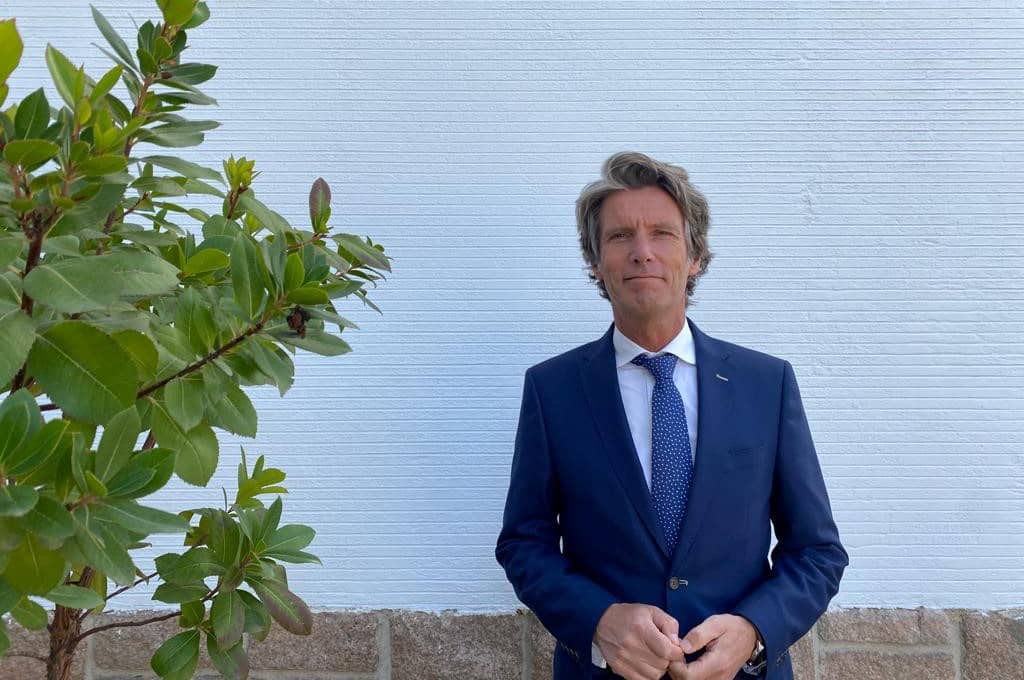
Jan Versteeg, the special climate envoy will be attending the COP31
‘This could turn out to be a very good COP – a COP of action,’ says Jan Versteeg who will be travelling to Antalya for the 31st UN Climate Change Conference. Like Stientje van Veldhoven, the Minister of Climate and Green Growth, the special climate envoy will be attending the conference on behalf not only of the Netherlands but also of the Caribbean parts of the Kingdom, where the impact of climate change is clearly being felt. The islands are under threat from rising sea levels, dying coral reefs, cyclones and longer periods of drought.
The UNEP report made an impression on climate professionals, says Versteeg. ‘It points out that we won’t achieve the Paris climate goals, and that action will be needed to limit further global warming. The urgency is palpable, especially after the floods in Nepal and last summer’s extreme weather.’
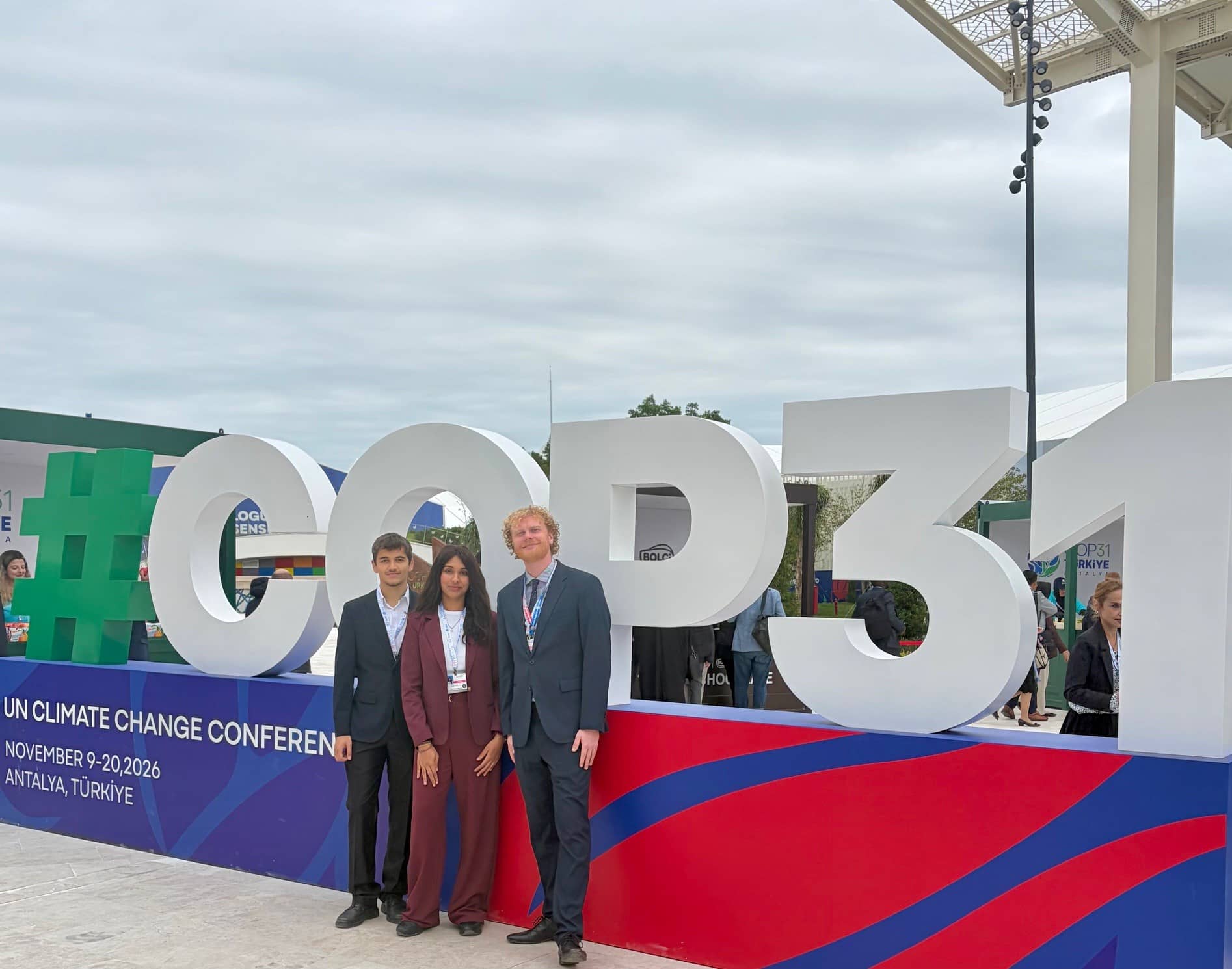
Image: © Ishata Rosthamkhan
Youth representatives Thomas Karmarker, Ishata Rostamkhan and Tommy Blomvliet
The clock's ticking
Ishata Rostamkhan, Tommy Blomvliet and Thomas Karmarker, the kingdom delegation’s three youth representatives, will be making the voice of Dutch youth heard in the negotiations. ‘Young people want to see more ambition,’ says Rostamkhan. ‘They’re already experiencing the effects of climate change. In the Netherlands, summers are getting hotter and in the Caribbean parts of the kingdom rises in sea-level are posing a growing threat to young people’s living environment and their futures.’
A major challenge for COP31 is to implement existing agreements. ‘We know what we need to do, but it’s very difficult to take the step from ambition to actual implementation. And the clock’s ticking.’
This sense of urgency is also being felt at geopolitical level. Energy supply security can no longer be taken for granted. ‘See what happened after the Russian invasion of Ukraine and the closure of the Strait of Hormuz,’ says Versteeg. ‘Families, businesses and government authorities all want to be less vulnerable to external shocks.’
Tens of thousands of people will gather at COP31 in Turkey – representing not only countries, but also NGOs, businesses and cities. They aim to reach agreement on connecting the goals they’ve agreed to concrete action. For example, raising electricity’s share of global final energy consumption to 35% by 2035.
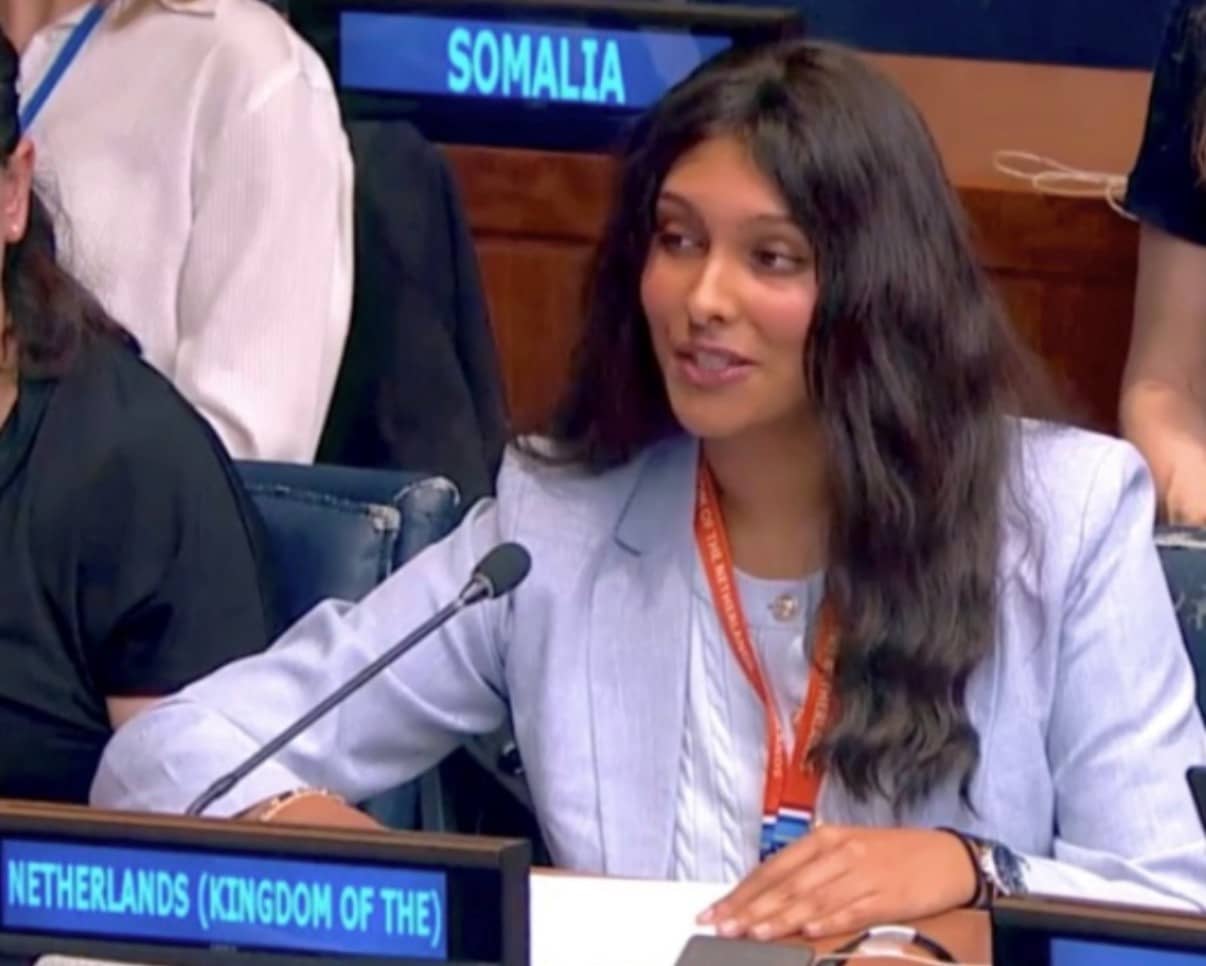
Image: © Ishata Rosthamkhan
Geothermal energy
One of the initiatives on the agenda is the call for more use of geothermal energy. ‘Kenya for example is already extracting much of its energy from geothermal heat,’ Versteeg goes on to say. ‘The idea is to learn from and encourage each other. We’re gaining some interesting experience in the Netherlands, too. Horticulturists in the west of the country are increasingly using geothermal energy instead of gas to heat their greenhouses and homes.’
In the spring of 2026 representatives of 57 countries met in Santa Marta in Colombia to discuss ways of phasing out the use of fossil fuels. ‘It was difficult to raise this subject at the COP in Belém,’ says Versteeg. ‘So countries that wanted to move forward faster decided to meet.’ Rostamkhan is pleased about this international initiative. ‘This can help us move forward on issues where it’s difficult to reach agreement within the negotiations.’
Phase out fossil fuels
It certainly won’t be easy to transition from fossil fuels. Governments will have less revenue from excise duty, for instance. And households will also face extra costs. For young people, speeding up the energy transition is a major issue. ‘But we also want the transition to be as just as possible, so that everyone can benefit,’ says Rostamkhan.
The energy transition will also affect businesses’ competitiveness. ‘If businesses in a given country have to make expensive investments, this will affect the price of their products,’ Versteeg explains. ‘So it’s important to reach agreement on that.’ The challenge for countries that are part of the Santa Marta process is to put their plans on paper and specify how they’re going to transition from fossil fuels. ‘The Netherlands, France and Germany have already published a national roadmap. Others will follow shortly.’
Early warning system
Countries in the South that are already experiencing the effects of land and ocean warming need to invest more in climate mitigation and adaptation. ‘Access to funding needs to be simplified,’ says Versteeg. ‘We’re drafting a statement about that. This is not just about raising dikes and building dams, but also about early warning systems so that people can evacuate on time. The Royal Netherlands Meteorological Institute (KNMI) plays a leading international role here.’
Youth participation
The Netherlands is one of the few countries where young people are not only encouraged to express their views, but can also take part in negotiations. ‘I’m grateful for our impactful position within the delegation,’ says Rostamkhan. That’s not the case in every country. ‘We’re holding a reception for young people from the Global South, where youth participation is sometimes limited, so that their voice can also be heard.
We’re also in close contact with young people from the Caribbean parts of the Kingdom of the Netherlands. Climate change is a global problem; climate knows no borders. Looking at the world, it’s as if people are distancing themselves from each other. But it’s a problem we all face. I hope that we find each other during this UN conference, because we need each other.’