
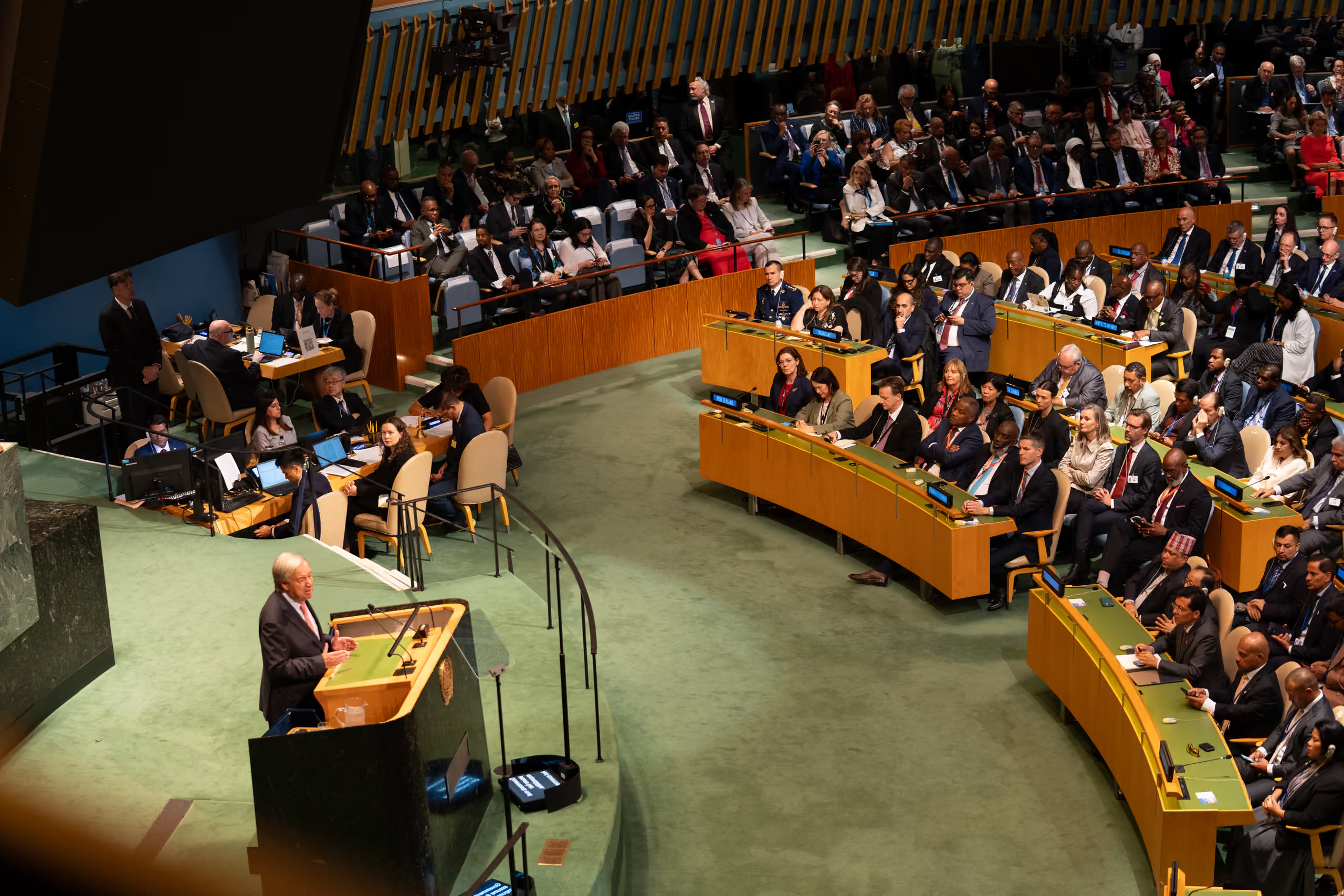
In late September, representatives of the Kingdom of the Netherlands were hard at work at the High-level Week that marked the start of the 81st session of the UN General Assembly in New York. In today’s changing world, our Kingdom is investing in cooperation. For the four countries that make up the Kingdom, a strong UN is more important than ever. ‘The UN General Assembly is where countries from around the globe come together to work on problems that affect the entire world,’ said Ambassador Tahzib-Lie.
A unique perspective
The Kingdom has three key objectives where the UN is concerned:
- To protect the fundamental principles of international cooperation;
- to strengthen the position of the Kingdom and the European Union within the multilateral system; and
- to contribute to reform within the UN.
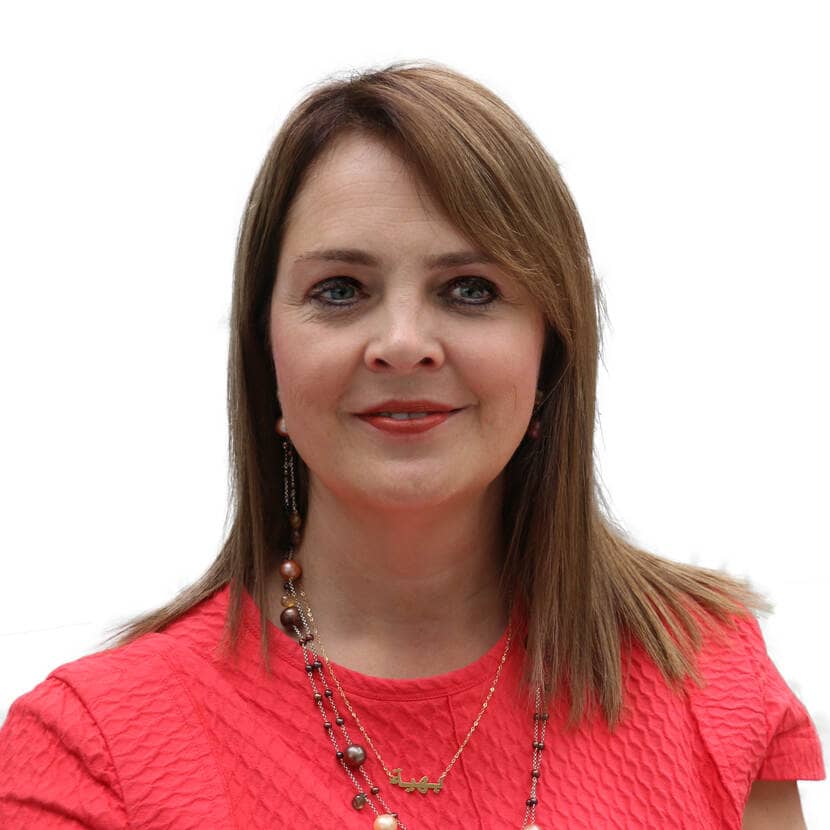
Image: © Ministerie van Buitenlandse Zaken
Ambassador and Deputy Permanent Representative at the Kingdom of the Netherlands’s Permanent Representation to the UN in New York
Bahia Tahzib-Lie is Ambassador and Deputy Permanent Representative at the Kingdom of the Netherlands’s Permanent Representation to the UN in New York. ‘The fact that not the Netherlands but the Kingdom of the Netherlands is a member of the UN makes us unique,’ she says. The constituent countries of the Kingdom, the Netherlands, Aruba, Curaçao and St Maarten, share membership of the UN. ‘Our joint membership gives us a European and Caribbean perspective on the world. For our Kingdom, our neighbour Germany is just as important as our neighbour Venezuela.’
That’s a perspective that is reflected in the Kingdom’s work on climate issues. ‘Water is our greatest asset but also poses serious challenges. That is true for all the countries in our Kingdom,’ says Bahia. ‘It’s something we’ve learnt to deal with over the centuries, whether we’re talking about major coastal protection projects in the Netherlands or protecting Bonaire’s coral reefs.’
In Bahia’s view, the UN is the ideal forum for the Kingdom to discuss these challenges. ‘High-level Week is special. Most of the world’s leaders are in New York, which gives us a chance to talk to a lot of our partners in a short space of time and make concrete agreements.’
Maritime security
Freedom of navigation is a crucial topic for the Kingdom of the Netherlands. All countries must be able to navigate freely and under their own flags, without facing unnecessary obstacles.
‘Freedom of navigation is an essential part of our Kingdom’s DNA,’ says Bahia. ‘The recent tensions in and around the Strait of Hormuz illustrate how disruptions to shipping can lead directly to price rises and oil shortages in many countries.’
The Kingdom previously joined 111 other countries in supporting a resolution condemning Iran’s attacks on Gulf States and underlining the right to free passage through the Strait of Hormuz. ‘The UN is a forum in which we can discuss this with all of those countries,’ says Bahia.
Artificial intelligence
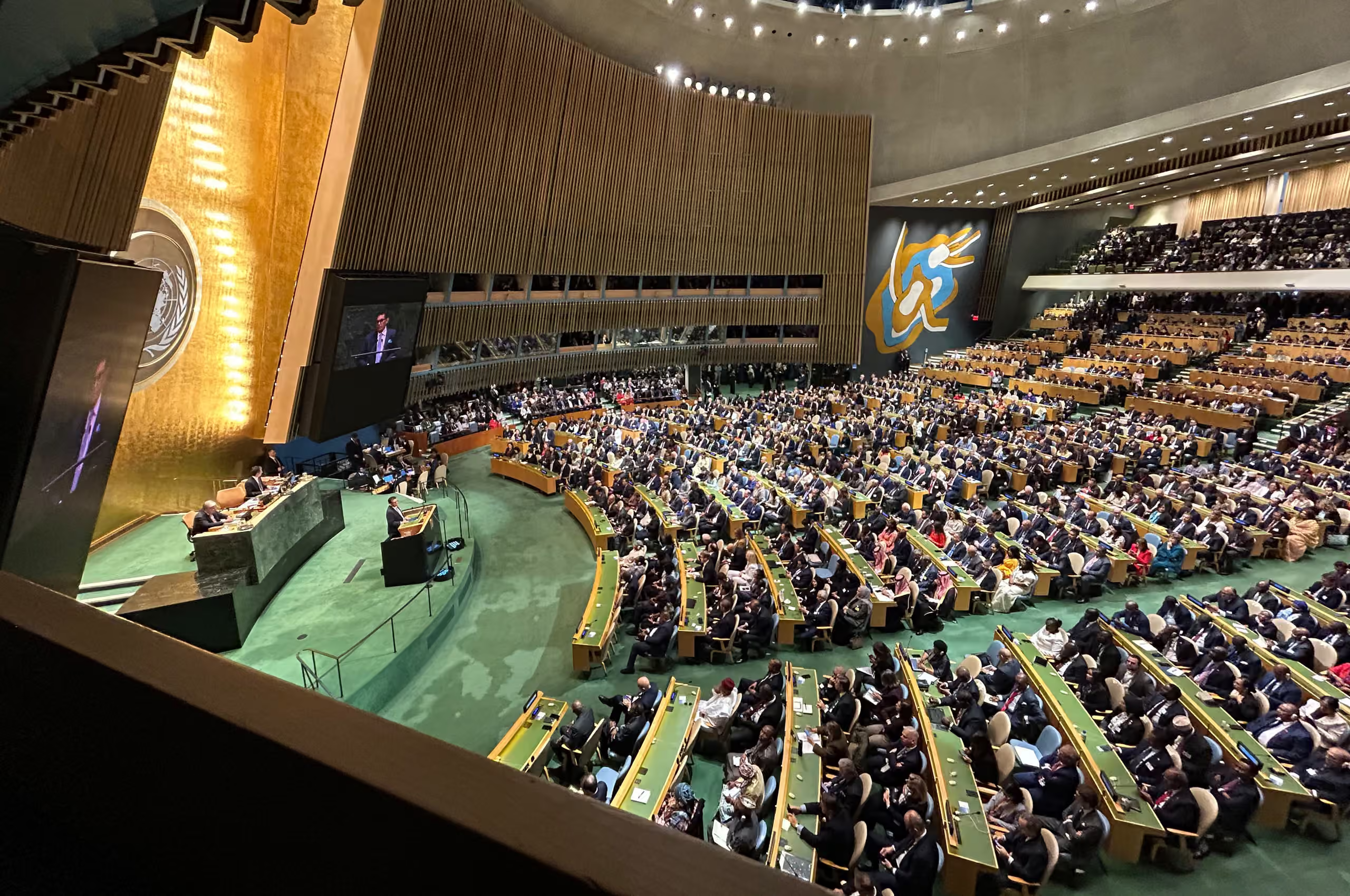
One important event that the Kingdom’s representatives organised during High-level Week focused on AI. ‘Developments in AI are unfolding rapidly and they affect all of us,’ says Bahia. ‘CEOs from a range of AI companies have even spoken out in the media, calling for a slowdown in the development of new models. In one event that we organised, we talked with international partners about who should be entrusted with setting the ground rules for AI. Do we put this in the hands of a small group of countries or businesses, or do we involve all countries in this discussion?’
To read the Kingdom’s full statement on AI, see A Call for Control of Frontier AI Models | Government.nl
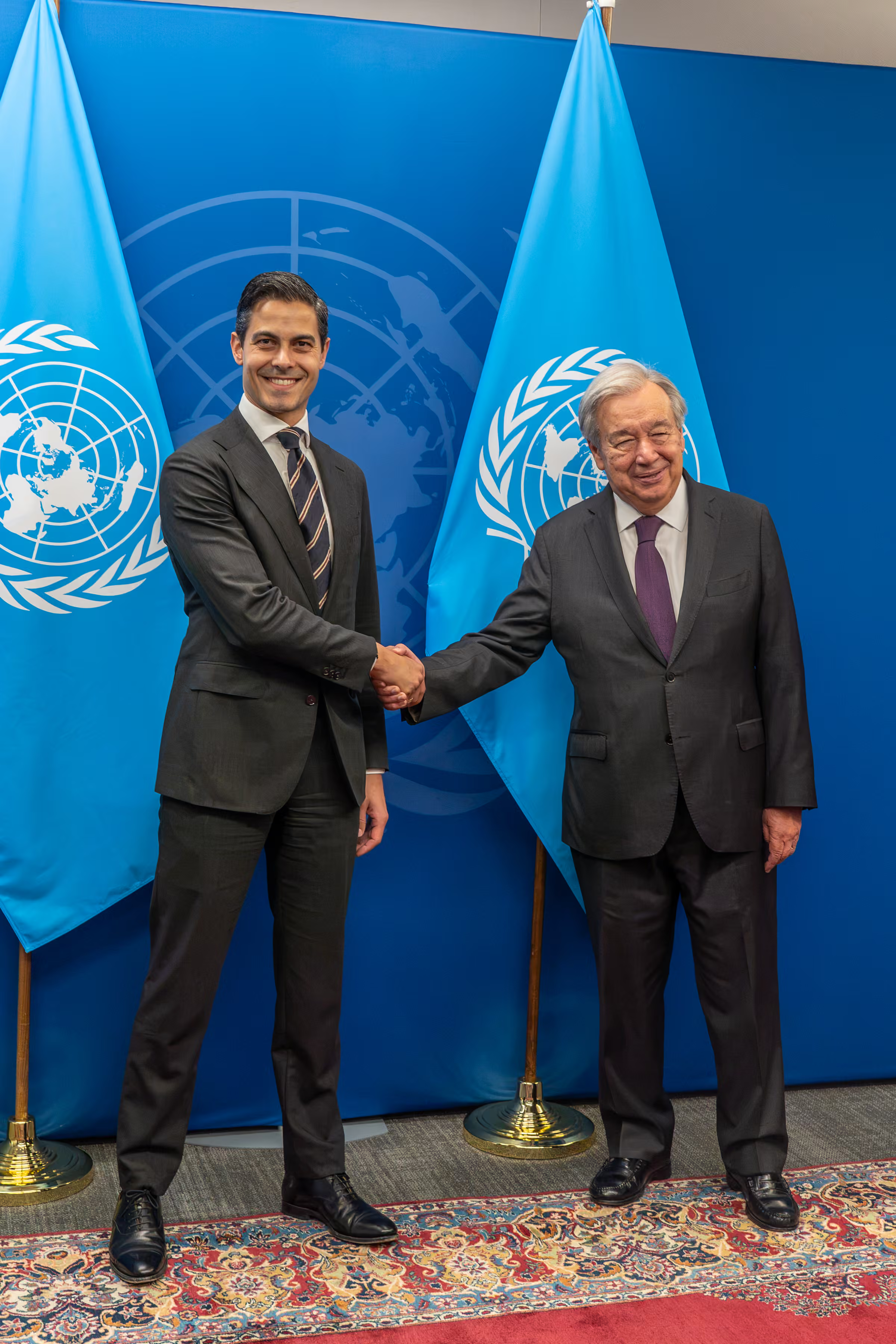
Image: © Ministerie van Buitenlandse Zaken
A UN that's fit for the future
The UN and the General Assembly are unique institutions, but continuous improvement is needed to keep them fit for purpose in the future, Bahia believes. ‘UN reforms dominated plenty of discussions during High-level Week, and the Kingdom has its own plans in this area. The UN needs to become more efficient, and that will take work.’
One area where Bahia sees room for improvement is in how the UN assigns mandates, the formal assignments and tasks it gives to its organisations. ‘The UN is full of incredibly capable people who do their work well. But it also has a lot of agencies doing the same things, which is inefficient. We need to streamline that.’
This is a widely held view. Together with EU partners and other like-minded countries, the Kingdom is working to make the UN more effective and more transparent. ‘For instance, by simplifying the organisational structure and establishing strong partnerships,’ says Bahia. ‘The Kingdom chairs a new working group that has been formed to ensure the structural integration of UNAIDS into the UN system, while retaining an effective global approach to HIV/AIDS.’
The UN itself is also working hard on reforms. ‘Last month two UN organisations were merged,’ explains Bahia. The UN has also started a process of digitalisation and is creating joint administrative platforms.
The Kingdom plays an active and visible role in negotiations on reforms to the UN Security Council. Permanent Representative Lise Gregoire-van Haaren co-chairs this process and engages transparently and inclusively with all UN member states. ‘By proposing a compromise for fixed regional seats, for example, the Kingdom has tried to close the gap between diverging views and thus pave the way for a more representative and effective Security Council,’ says Bahia.
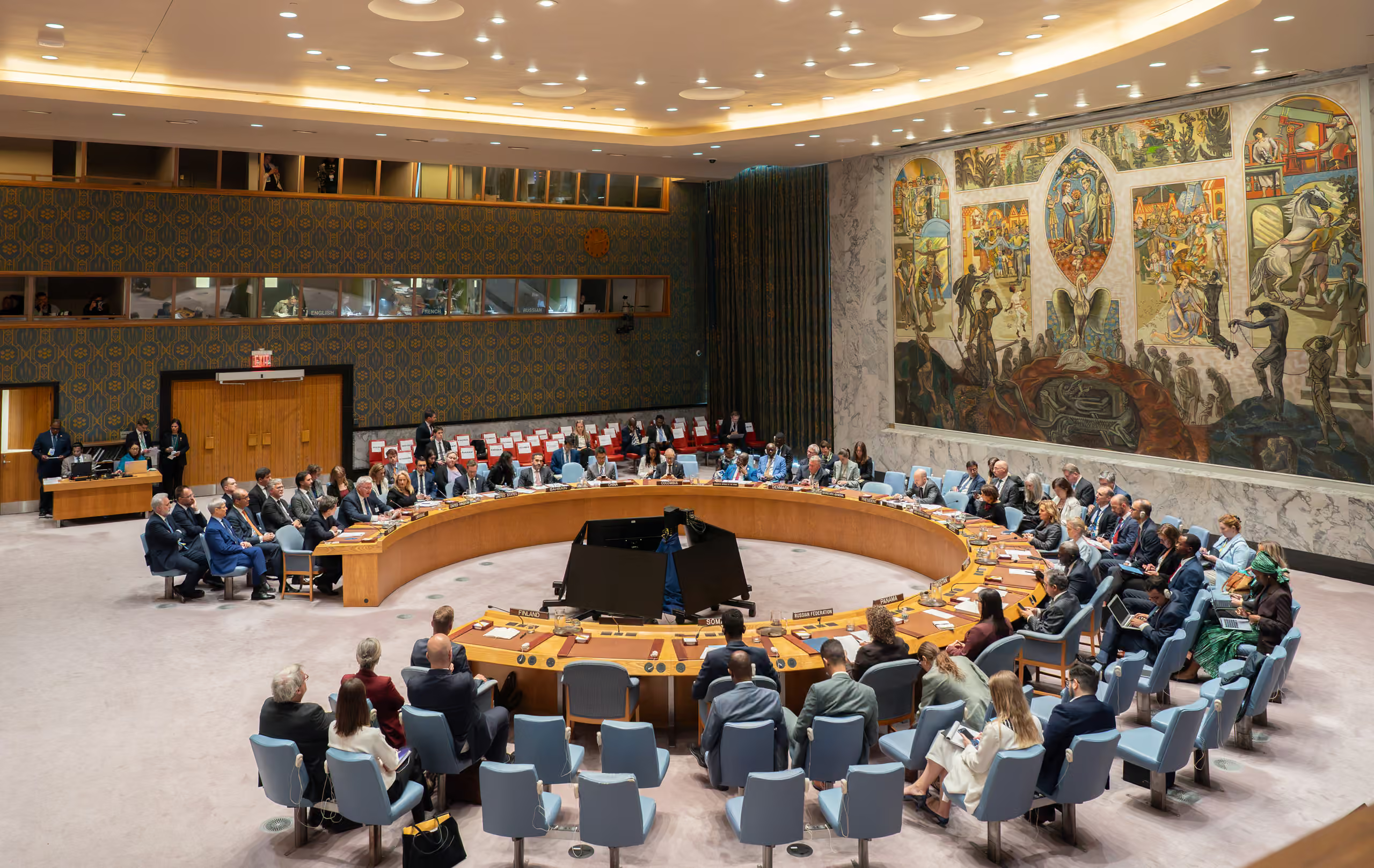
Image: © Ministerie van Buitenlandse Zaken
New UN leader
The UN’s current Secretary-General, António Guterres of Portugal, will step down this year after 10 years in the position. ‘Mr Guterres has already launched a number of reforms via the UN80 Initiative,’ says Bahia. ‘We hope that the next Secretary-General will continue reforming, managing and leading the UN.’
The Kingdom attaches great importance to the selection process for the next Secretary-General. ‘Historically, the UN Security Council presents a proposal to the General Assembly,’ said Bahia. ‘The 193 member states are involved, but the actual selection process takes place behind closed doors in the Security Council, and is decided by a limited group of countries that also have veto rights.’
The President of the General Assembly has held interactive dialogues with the official candidates over the past few months. The candidates were given the opportunity to introduce themselves to the full General Assembly. They then had to respond to questions from member states and NGOs. In Bahia’s view, this was a good first step in a more transparent and inclusive selection process.
The UN is intended to reflect the world as a whole. ‘But when you walk into the lobby of the UN building and see the portraits of former Secretaries-General, they’re all men,’ says Bahia. After 80 years of successive male leaders, the Kingdom believes that, based on the principle of equality, the time has come for a woman Secretary-General. ‘All those men have done a good job,’ Bahia concludes. ‘But ultimately, half of society is made up of women.